

Contents
Every growing business eventually hits the same operational wall: the systems that once enabled growth begin slowing it down.
Approvals stack up in inboxes. Teams duplicate work across disconnected platforms. Customer requests wait too long for responses. Leadership spends more time managing process friction than driving strategy. For CEOs, the challenge is no longer whether technology can improve operations—it is whether the organization can move fast enough to stay competitive.
That is why AI for workflow automation has become one of the most important business priorities heading into 2026.
Unlike traditional automation, which relies on rigid rule-based systems, AI-powered workflow automation introduces intelligence into business operations. For CEOs navigating margin pressure, talent constraints, and rising customer expectations, AI-driven automation is becoming a defining operational advantage.

What is AI For Workflow Automation?
AI for workflow automation is changing the way modern businesses operate by removing the slow, repetitive work that quietly drains productivity across an organization. Unlike traditional automation tools that simply follow rigid rules, AI-powered workflows can understand context, analyze information, make decisions, and continuously improve over time. That means businesses are no longer just automating tasks; they are building smarter operations that move faster, scale easier, and create more consistency across teams.
In many cases, AI workflow automation does not require a complete overhaul of existing operations. The biggest opportunities often come from integrating AI tools into current systems or activating automation capabilities that already exist but are not being fully utilized. Small, strategic improvements can create meaningful gains in efficiency, productivity, and decision-making across the organization.
However, before launching an AI workflow automation initiative, businesses should take a thoughtful and strategic approach to identifying where automation will create the greatest value. Not every workflow is an ideal candidate for AI automation, and selecting the wrong starting point can introduce unnecessary complexity, slow adoption, and limit overall return on investment.
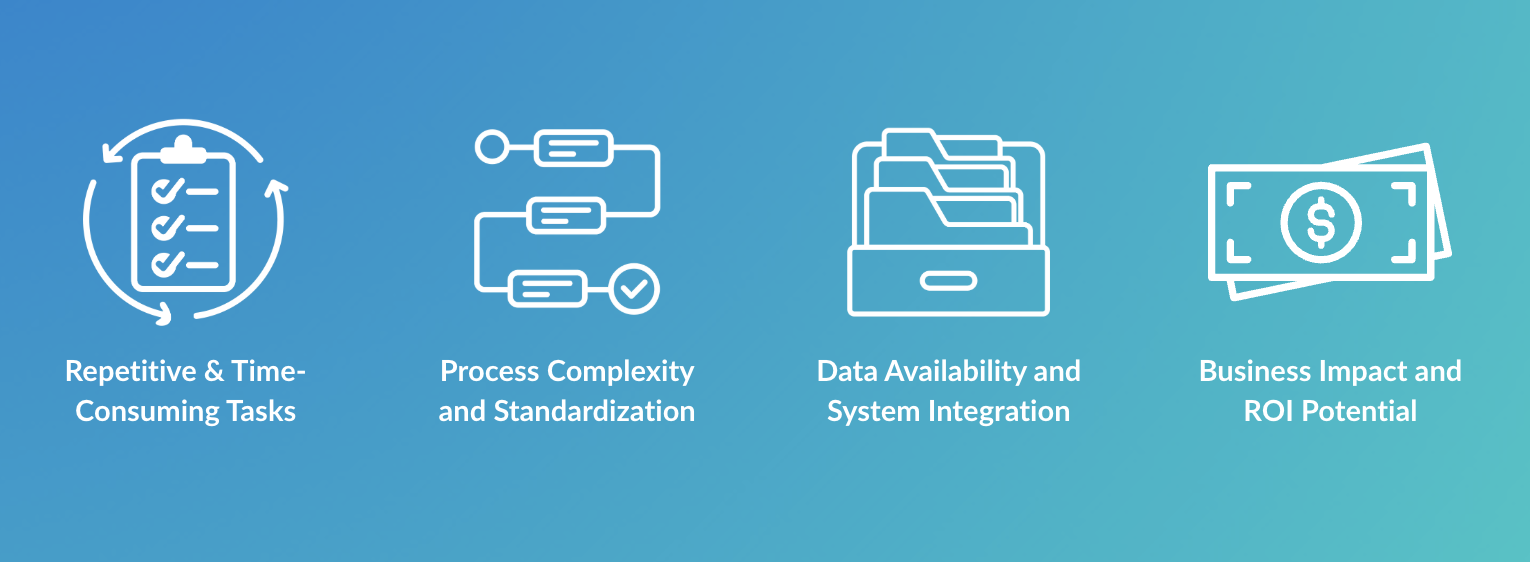
4 Key Factors to Consider Before Selecting a Workflow for AI Automation
-
Repetitive and Time-Consuming Tasks: Start by identifying workflows that consume significant time through repetitive manual work. Ie: data entry, approvals, scheduling, or recurring communication.
-
Process Complexity and Standardization: AI automation works best when workflows follow a clear and consistent structure Simplifying and documenting the workflow first often leads to better automation results.
-
Data Availability and System Integration: Successful AI automation depends on access to accurate, organized data and the ability to connect with existing systems. Consider whether the workflow has the necessary data inputs and whether your current tools, platforms, and software can integrate seamlessly with AI solutions.
-
Business Impact and ROI Potential: Prioritize workflows that will create measurable business value. Evaluate how automation could improve productivity, reduce operational costs, minimize errors, enhance customer experience, or free up employees for higher-value strategic work.
For CEOs, the opportunity is bigger than cost savings alone. AI workflow automation allows organizations to reduce operational friction, improve decision speed, and free up teams to focus on strategic work that drives growth. As businesses continue scaling into 2026, intelligent workflow automation is quickly becoming one of the clearest competitive advantages a company can implement.
Where CEOs See Business Impact
As businesses face growing pressure to improve productivity while controlling costs, AI workflow automation is becoming a practical solution for reducing operational friction and supporting teams more effectively. In fact, recent research shows that 68% of employees feel they have too much work to handle on a daily basis, contributing to burnout, inefficiency, and slower execution across organizations.
Rather than adding more disconnected tools or processes, forward-thinking companies are using AI to streamline workflows, automate repetitive tasks, and free employees to focus on higher-value strategic work. From Finance and Sales to Customer Service and Marketing, CEOs are already seeing measurable business impact by applying AI where it can improve efficiency, accelerate decision-making, and reduce time spent on manual work.
Finance
AI is helping finance teams eliminate manual processing and improve accuracy. Tools like Microsoft Power Automate can:
-
Automatically process invoices and match them against purchase orders
-
Route expense approvals based on spending policies
-
Flag unusual transactions or duplicate payments
-
Generate real-time forecasting and financial summaries
Sales
Sales organizations are using AI to reduce administrative work so reps can spend more time selling. Platforms like Gong can:
-
Automatically capture and sync call notes, action items, and customer insights into CRM systems
-
Trigger follow-up workflows and reminders based on conversation outcomes or deal stage changes
-
Use AI to identify stalled deals, missed follow-ups, or at-risk opportunities and alert sales managers
-
Provide real-time pipeline and forecasting updates based on live customer interactions and engagement data
Customer Service
AI-powered customer workflows are dramatically improving response times and customer experience. Tools like Zendesk AI are helping businesses:
-
Automatically route tickets to the right team based on customer intent and urgency
-
Use AI chatbots to handle common customer inquiries 24/7
-
Generate AI-powered response suggestions for support agents in real time
-
Prioritize urgent or high-risk issues using sentiment and escalation analysis
-
Automate ticket tagging, categorization, and status updates
Marketing
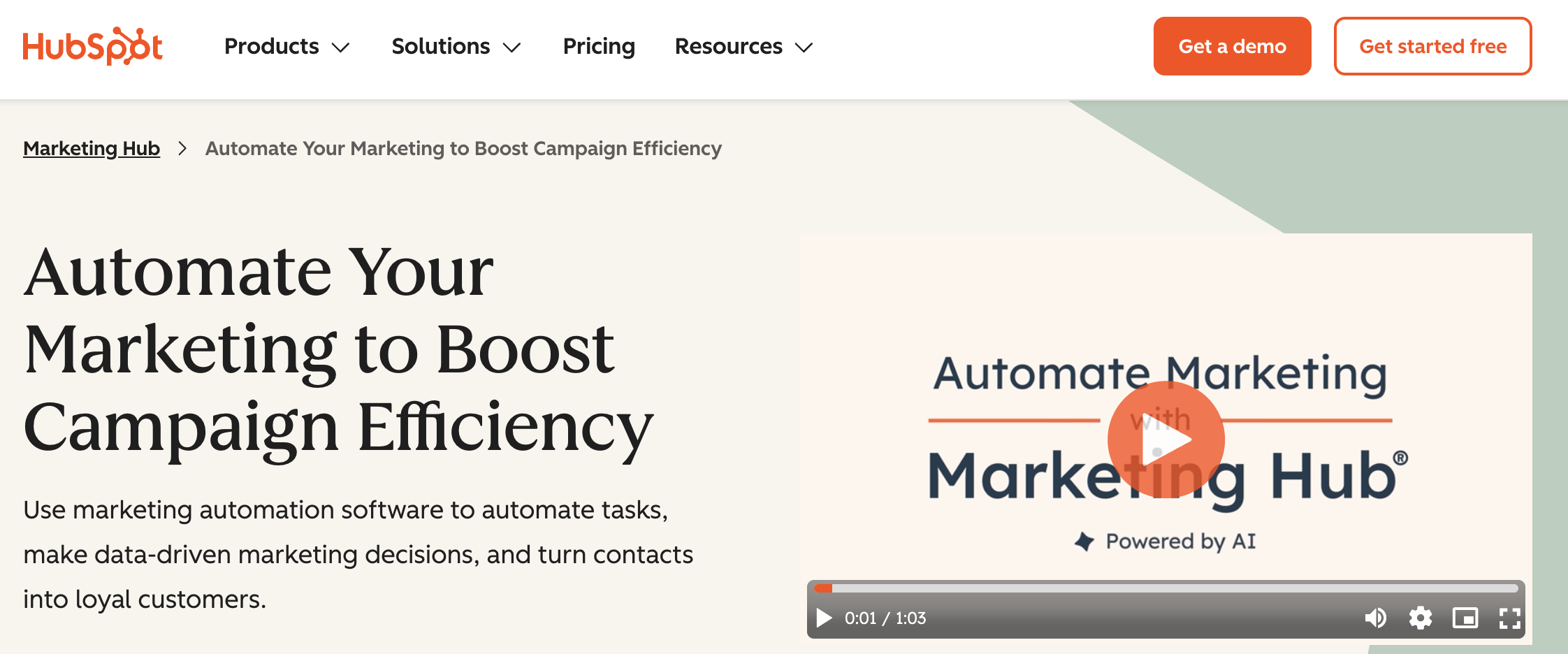
Marketing teams are increasingly using AI to streamline marketing activities like campaign execution and reporting. Tools like HubSpot can:
- Automatically trigger personalized email campaigns based on customer behavior and engagement
- Use AI to generate marketing content, including emails, blogs, landing pages, and social posts
- Score and route leads to sales teams based on likelihood to convert
- Automate campaign reporting and surface AI-driven performance insights in real time
- Segment audiences dynamically to deliver more personalized marketing experiences at scale
Partnering With an AI Expert to Accelerate Adoption
While the opportunities around AI workflow automation are significant, many organizations struggle with where to begin. One of the biggest mistakes businesses make is implementing AI tools without a clear strategy, defined workflows, or a plan for long-term adoption. Successful AI transformation is not just about purchasing new technology. It requires identifying the right business processes, aligning AI initiatives with operational goals, integrating systems effectively, and ensuring employees understand how to use AI in a way that creates measurable value.
That is why many organizations are partnering with AI experts like LouderAI to accelerate adoption and reduce the risks associated with implementation. An experienced AI workflow automation agency can help businesses identify high-impact workflow opportunities, prioritize automation initiatives, streamline integration across existing systems, and build a practical roadmap for scaling AI across the organization. Rather than wasting time experimenting with disconnected tools, companies can focus on implementing AI solutions that improve efficiency, reduce operational friction, and deliver real business outcomes faster.
If you’re ready to turn on AI workflow automations for your team—book a conversation with founder Andrew Louder to explore what an intentional rollout could unlock for your business.

About the author: Andrew is the Founder & CEO of LouderAI, a Dallas-based consultancy dedicated to helping organizations unlock their full potential through cutting-edge AI solutions.
With nearly two decades in management consulting and a track record advising Fortune 500 clients, he’s earned recognition as a Dallas Business Journal 40 Under 40 honoree and Vistage Top Speaker.